The Silent Screen That Commands Attention
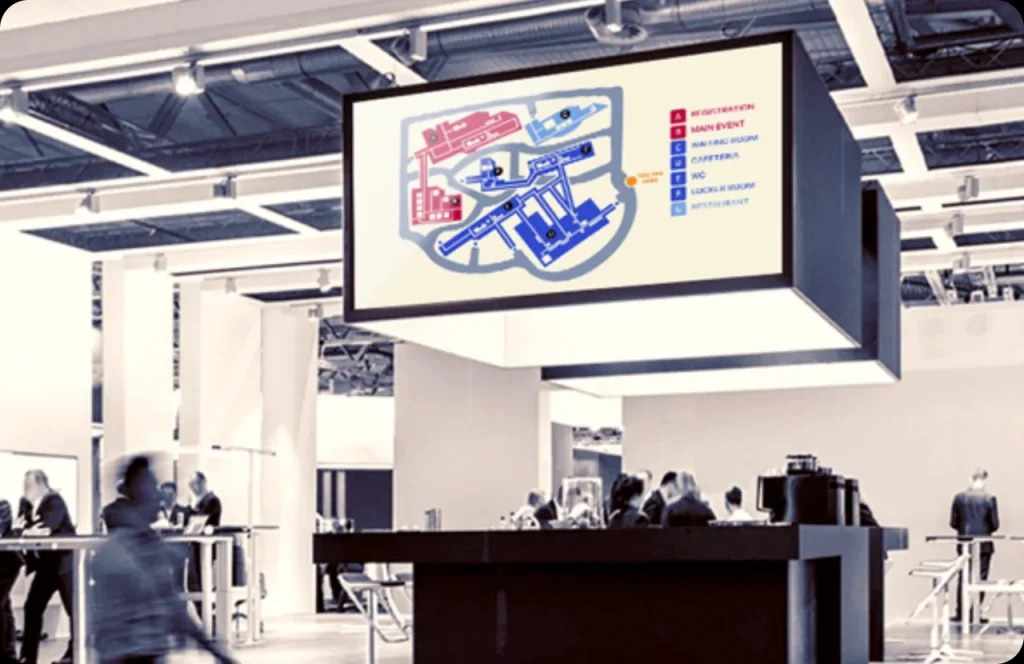
A bright screen in a retail window can stop people mid-step, proving how visual messaging influences modern behavior. Businesses increasingly rely on Digital Signage software solutions to communicate clearly, update content instantly, and engage audiences without printed materials. This article explores how digital signage has become essential across industries and why software capability determines success. The central argument focuses on how intelligent platforms empower organizations to manage content efficiently, strengthen brand presence, and adapt messaging in real time within competitive urban environments driven by constant information flow and rising customer expectations today.

The Growing Importance of Software-Driven Signage Systems
As physical spaces become more interactive, businesses seek tools that simplify communication while remaining scalable. Digital Signage software solutions allow centralized control, scheduling, and remote updates across multiple screens. Positioned in the middle of operational strategies, these platforms reduce manual effort and ensure message consistency. This section highlights how software reliability and user-friendly interfaces matter more than hardware alone. Effective solutions support smooth workflows, minimize downtime, and help organizations respond quickly to promotions, announcements, or environmental changes across retail, corporate, and public settings throughout Singapore’s fast-moving commercial landscape.
Key Features That Define Effective Digital Signage Platforms
Successful signage platforms share characteristics that support long-term usability and performance. Content scheduling, cloud-based access, and compatibility with diverse screen types remain essential. In professional evaluations, Digital Signage software solutions stand out when analytics, security, and customization options align with business goals. This paragraph explains how thoughtful software selection reduces training time and operational errors. By prioritizing stability and flexibility, organizations gain confidence that messaging remains accurate and visually engaging, while maintaining compliance and technical reliability in environments where communication accuracy directly influences customer trust and brand perception over time.
Singapore’s Market Demand for Advanced Signage Technology
Singapore’s highly connected economy creates strong demand for innovative communication tools across retail, transport, and corporate sectors. Decision-makers frequently research the top digital signage software in Singapore to meet high expectations for quality and responsiveness. In the middle of this competitive market, software performance becomes a differentiator rather than a convenience. This section examines how local businesses value platforms that support multilingual content, rapid deployment, and centralized management. Such requirements reflect the city’s diverse audience and strict operational standards, shaping the evolution of signage technology within the regional digital ecosystem.
What Sets Leading Digital Signage Software Apart
Not all platforms deliver the same value, making informed selection essential. The top digital signage software in Singapore typically balances intuitive design with enterprise-level capability. Positioned midway through technology assessments, scalability and support services influence long-term satisfaction. This paragraph discusses how reliable vendors invest in continuous updates, cybersecurity, and responsive customer assistance. These factors ensure systems remain functional as needs evolve, allowing businesses to expand screen networks without disruption while maintaining consistent performance, data protection, and visual quality in high-traffic environments where reliability directly affects audience engagement and operational confidence.
Use Cases Across Industries and Business Sizes
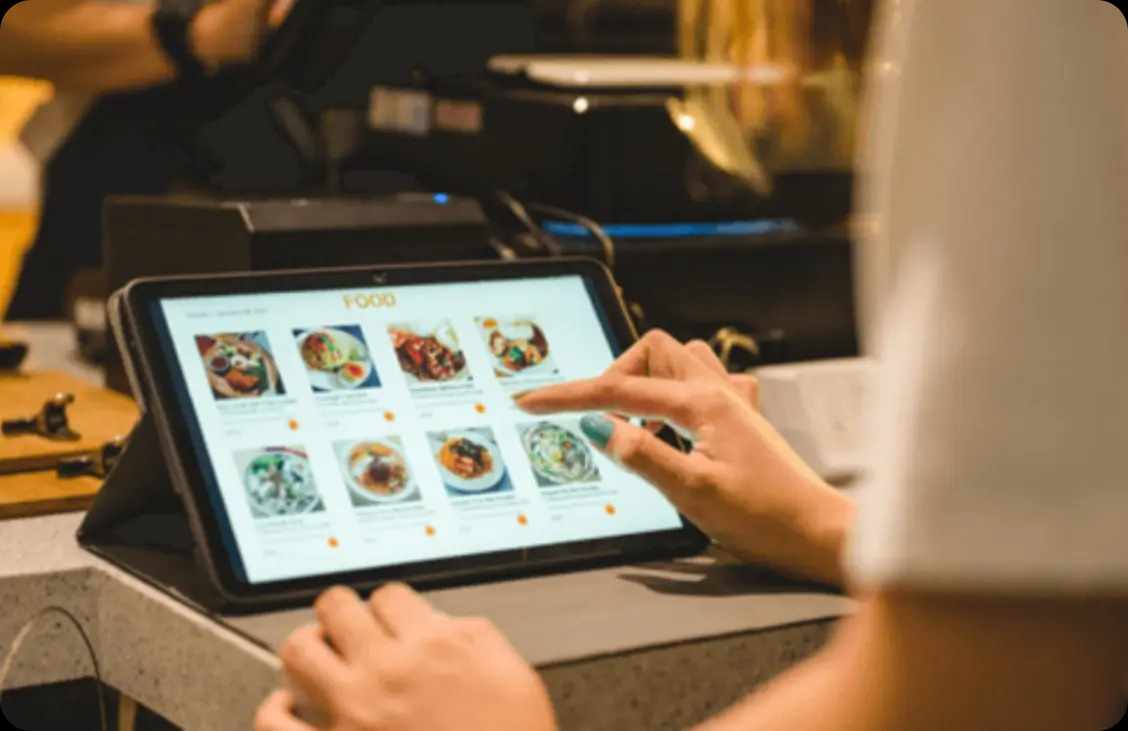
Digital signage no longer serves only large corporations. Small and medium enterprises also benefit from adaptable platforms. Many organizations benchmark against the top digital signage software in Singapore when planning adoption, ensuring solutions meet current and future needs. This section explains how retail stores enhance promotions, offices improve internal communication, and hospitality venues personalize guest experiences. Software-driven signage supports measurable outcomes by enabling targeted messaging and timely updates. These applications demonstrate how flexible platforms deliver value across sectors, reinforcing digital signage as a strategic communication asset rather than a decorative tool.
Strategic Considerations When Choosing a Signage Partner
Selecting a signage provider involves evaluating more than price or popularity. Decision-makers consider integration capability, content control, and long-term support. This paragraph emphasizes aligning software features with organizational goals, technical capacity, and audience expectations. By focusing on reliability and transparency, businesses avoid costly transitions later. Careful evaluation strengthens return on investment and ensures signage remains effective as communication strategies evolve. Strategic planning also supports compliance, data security, and consistent branding, reinforcing trust among stakeholders and viewers while maximizing the operational benefits of modern digital display ecosystems.
Conclusion: Building Future-Ready Communication Through Software
Digital signage continues to redefine how information is shared in physical spaces, emphasizing speed, clarity, and adaptability. This article demonstrated that software capability determines the true value of signage investments. In the middle of this evolving landscape, wioplex.com represents a platform aligned with scalable management, user-focused design, and modern communication needs. Organizations that prioritize thoughtful software selection gain flexibility, consistency, and engagement advantages. By investing in reliable digital signage systems today, businesses position themselves to communicate effectively, adapt quickly, and maintain relevance in increasingly competitive and visually driven environments.


Write a comment ...